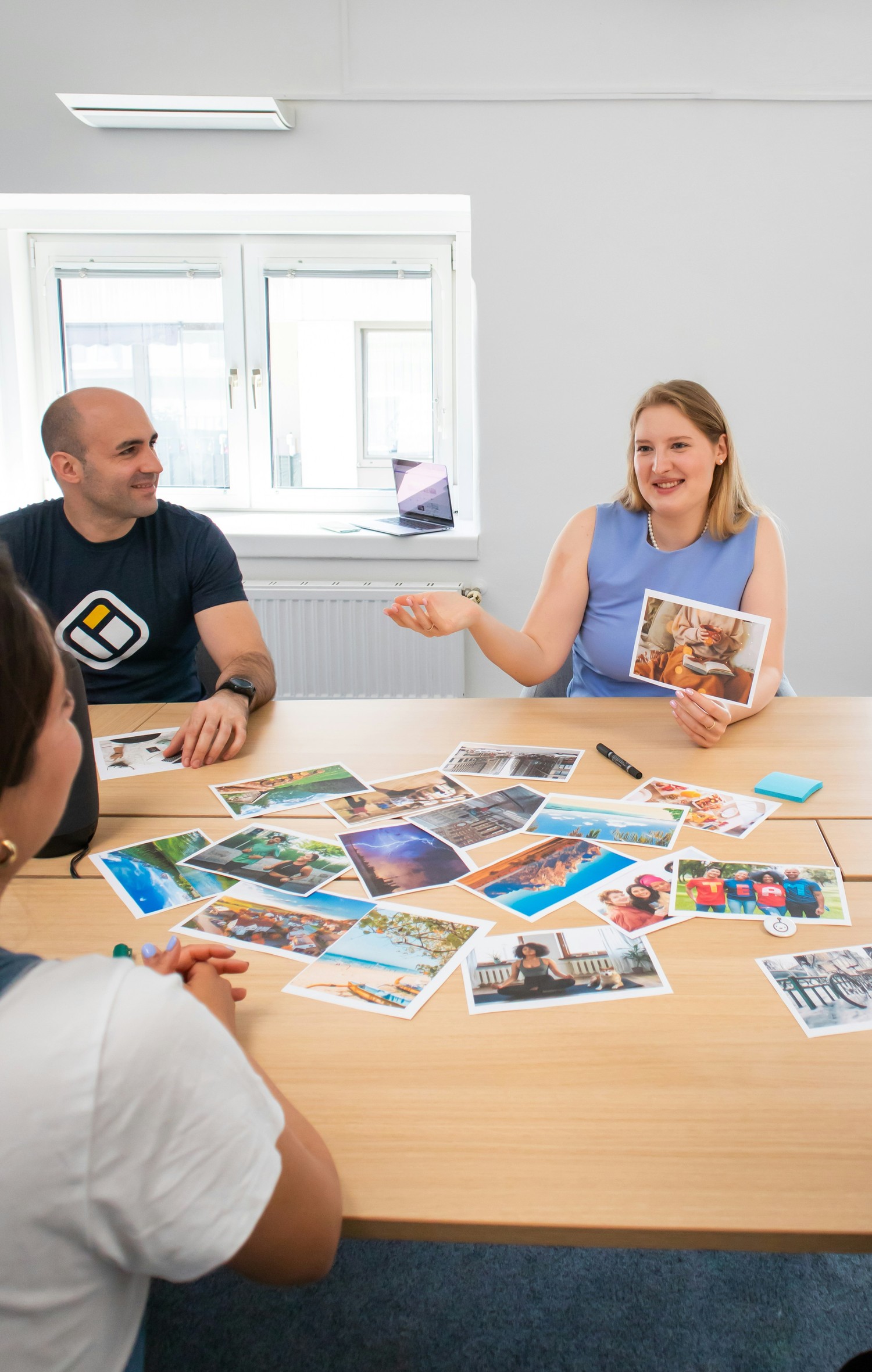
In today's fast-paced and complex work environments, the ability to foster collaboration and communication among team members from different disciplines is crucial for success. Building Stronger Teams: Strategies for Enhancing Collaboration in Multi-Disciplinary Settings explores the key tactics and approaches that can help organizations create a more cohesive and effective team dynamic. From breaking down silos to promoting open communication channels, this article will provide valuable insights on how to cultivate a culture of teamwork and innovation in multi-disciplinary environments.
Breaking Down Silos: Overcoming Barriers to Collaboration
Breaking down silos refers to the breaking down of barriers that exist between different departments or teams within an organization. These barriers can hinder collaboration and communication, leading to inefficiencies and missed opportunities for innovation. One common barrier is a lack of transparency and information sharing between departments, which can lead to duplication of efforts or conflicting priorities. Another barrier is a lack of trust or understanding between different teams, which can prevent them from working together effectively. In order to overcome these barriers, it is important for organizations to foster a culture of collaboration and open communication. This can be achieved through clear communication channels, regular meetings or check-ins between teams, and shared goals or objectives that encourage working towards a common purpose. By breaking down silos and promoting collaboration, organizations can improve efficiency, drive innovation, and ultimately achieve their business objectives more effectively.
Promoting Open Communication Channels Across Teams
Promoting open communication channels across teams is essential for promoting transparency, collaboration, and effective problem-solving within an organization. By fostering an environment where team members feel comfortable sharing their thoughts, concerns, and ideas freely, managers can facilitate better decision-making processes and enhance overall productivity. Open communication also helps to build trust among team members and promotes a sense of unity and camaraderie. One way to encourage open communication is by organizing regular team meetings or brainstorming sessions where everyone has the opportunity to voice their opinions and offer input on various projects or initiatives. Additionally, implementing digital tools such as project management software or instant messaging platforms can help streamline communication processes and ensure that important information is shared in a timely manner. Ultimately, a culture of openness and transparency not only leads to improved collaboration but also boosts employee morale and satisfaction within the workplace.
Encouraging Cross-Disciplinary Learning and Growth
Encouraging cross-disciplinary learning and growth is essential in today's rapidly evolving academic and professional landscape. By breaking down traditional silos between different fields of study, individuals are able to expand their knowledge base, develop critical thinking skills, and cultivate a holistic understanding of complex issues. When students engage in interdisciplinary coursework, they have the opportunity to bridge gaps between disciplines, sparking innovation and creativity. This approach not only prepares individuals for diverse career paths but also fosters a more interconnected society where collaboration and cooperation thrive. Moreover, cross-disciplinary learning encourages individuals to think outside the box, challenge mainstream assumptions, and explore new perspectives that can lead to groundbreaking discoveries and solutions to real-world problems. In an increasingly interconnected world where challenges are multifaceted and require multiple areas of expertise to address effectively, promoting cross-disciplinary learning is paramount in equipping individuals with the tools needed for success both academically and professionally.
Implementing Team Building Activities for Stronger Bonds
Implementing team building activities for stronger bonds within a group or organization is crucial for fostering collaboration, communication, and trust among team members. By participating in various team building exercises and activities, individuals can develop better relationships with their colleagues, build camaraderie, and create a sense of unity within the group. These activities can range from simple icebreaker games to more complex problem-solving tasks that require teamwork and cooperation. Team building activities also help improve morale, boost productivity, and enhance overall job satisfaction among employees. Furthermore, by engaging in these activities regularly, teams can better understand each other's strengths and weaknesses, leading to improved performance and efficiency in the workplace. Overall, implementing team building activities is essential for creating a positive work environment where strong bonds are formed between team members.
Fostering a Culture of Innovation in Multi-Disciplinary Environments
Fostering a culture of innovation in multi-disciplinary environments is crucial in today's fast-paced and ever-evolving world. By bringing together individuals from diverse backgrounds, experiences, and expertise, organizations can harness the power of collaboration to drive creativity and problem-solving. In multi-disciplinary environments, ideas are challenged, perspectives are broadened, and innovative solutions are born. Creating an environment that cultivates innovation requires leadership support, open communication channels, flexibility in thinking, and a willingness to embrace change. It also involves encouraging risk-taking and allowing room for experimentation without fear of failure. By promoting a culture where employees feel empowered to think outside the box and share their ideas freely, organizations can unlock new opportunities for growth and success. Embracing diversity in thought and fostering a collaborative spirit among team members will not only lead to innovative breakthroughs but also create a more dynamic work environment where creativity thrives. Ultimately, by nurturing a culture of innovation within multi-disciplinary environments, organizations can stay ahead of the curve in an increasingly competitive landscape.
In conclusion, the success of multi-disciplinary teams hinges on their ability to collaborate effectively and communicate openly. By breaking down silos, promoting open communication channels, encouraging cross-disciplinary learning and growth, implementing team building activities, and fostering a culture of innovation, organizations can create stronger teams that are better equipped to tackle complex challenges and drive positive outcomes. Embracing these strategies will not only improve collaboration within teams but also enhance overall organizational performance in today's rapidly evolving work environments.
About Dills Analytics LLC
Empowering Innovation Through Advanced Analytics. For cutting-edge science-based analytics in Applied Physics, Modeling and Simulation, machine learning and pattern recognition. Specializing in small business marketing automation.
- AI Biz Marketing: Focus on your business and let AI handle marketing at 10% of the normal cost.
- Applied Physics Analysis: Applying physics principles to analyze complex data for actionable insights.
- Innovative Machine Learning: Using innovative machine learning methods to drive business intelligence and innovation.
Links
